Why Personalized Assisted Living Matters for Your Loved One's Well-Being
Understanding the Shift Toward Personalized Care
When the time comes to explore housing and care options for an aging parent or spouse, the phrase "personalized assisted living" often surfaces. But what does it really mean? For many families, the search begins with a list of practical needs: help with bathing, medication management, and meals. Yet the deeper need is almost always emotional. We want our loved ones to feel seen, respected, and safe. A one-size-fits-all approach rarely delivers that.
The assisted living industry has long operated on a model of standardized services. Residents fit into predefined categories, and care plans follow a checklist. That system works for some, but it overlooks the nuance of individual lives. A person who spent decades gardening needs different daily stimulation than a former accountant. Someone living with early-stage dementia requires a completely different approach than someone who is physically frail but cognitively sharp. That is where personalized assisted living steps in - not as a buzzword, but as a fundamental shift in how care is delivered.
What Makes Assisted Living Truly Personalized
At its core, personalized assisted living means that the care plan is built around the resident, not the other way around. It starts with a thorough assessment of medical history, cognitive status, social preferences, and daily routines. But it does not stop there. A good program revisits and revises that plan regularly, because people change. A resident who was once highly social might need more quiet time as their condition progresses. Another might discover a new interest in music therapy later in life.
This approach requires a strong staff-to-resident ratio. When caregivers are stretched thin, they default to what is efficient rather than what is individual. In a setting like a residential care home, where the number of residents is intentionally small, that ratio becomes workable. Staff can learn each person's name, their favorite foods, their sleep patterns, and their emotional triggers. That knowledge is the bedrock of person-centered care.
Another hallmark is the involvement of licensed nurses in daily oversight. Not every assisted living facility has nursing staff on-site around the clock. But when a facility does, it changes the quality of medication management and response to emergencies. It also means that chronic conditions like diabetes or heart disease are monitored proactively, not reactively.
The Memory Care Component
For families dealing with Alzheimer's disease or other forms of dementia, the need for personalization becomes even more acute. Standard group activities often fail to engage someone with memory loss. A person who is agitated may need a quiet space, not a loud common room. Someone who is withdrawn might respond to a specific song from their youth. That is why memory care inside a personalized assisted living environment looks different from traditional models.
One technique that works well is reminiscence therapy. It involves prompting residents to share stories from their past, using photographs, music, or familiar objects. This is not just a pleasant activity - it can reduce anxiety, improve mood, and strengthen the bond between caregiver and resident. But it only works if the staff knows the resident's personal history. That knowledge comes from consistent, one-on-one interaction, not from a file in a drawer.
Secure courtyards also play a critical role in dementia care. They allow residents to spend time outdoors without the risk of wandering. But a courtyard is only as good as the programming that happens there. A raised garden bed, a shaded bench, or a bird feeder can turn a safe space into a therapeutic one. Again, the personal touch matters.
Supporting the Family Caregiver
Personalized assisted living does not only benefit the resident. It also relieves the family caregiver. Many adult children or spouses have spent months or years trying to manage care on their own, often at great personal cost. Burnout is common. Guilt is almost universal. When a facility takes over the daily burden, families can finally return to being family - visiting without the stress of medication schedules or bath routines.
Good facilities recognize that family members need support too. They provide regular updates, host family meetings, and offer resources like referrals to the Alzheimer's Association. They understand that the transition to assisted living is a process, not a single event. A facility that communicates openly and honestly about a resident's condition builds trust. That trust is essential, especially when hard decisions about end-of-life care arise.
Nursing Home Alternative or a Better Starting Point?
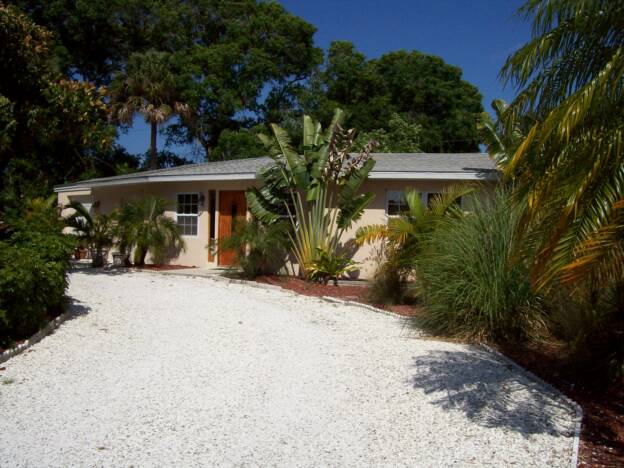
Many families initially think of a nursing home when they hear the word "care facility." But a nursing home alternative like a residential care home can offer a more homelike environment at a lower cost. These homes typically house six to twelve residents, creating a family atmosphere. The staff knows everyone's coffee order, their favorite TV shows, and the names of their grandchildren. That level of familiarity is hard to achieve in a large institutional setting.
There is a trade-off, of course. A smaller home may not have the same extensive therapy gym or on-site specialty clinic that a large nursing home has. But for most residents, the trade is worth it. Social engagement happens naturally in a small group. Meals are shared around a table, not in a cafeteria. The rhythm of daily life feels less clinical.
The Role of Therapeutic Activities
Personalized assisted living also means that therapeutic activities are chosen based on the resident's interests and abilities. A holistic approach considers the whole person: physical, emotional, social, and spiritual. For one resident, that might mean gentle stretching exercises in the morning. For another, it could be painting class or a book club. The key is variety and choice.
In a good program, activities are not just for passing time. They serve a purpose. Music therapy can reduce agitation in dementia patients. Pet therapy can lower blood pressure and lift mood. Simple cooking activities can trigger long-term memories. When activities are tied to a person's history, they become meaningful. When they are generic, they are often ignored.
One facility in Venice Florida, Magnolia Gardens Venice, has built its reputation on this principle. The staff does not assume what residents will enjoy. They ask. They observe. They adapt. That is the difference between supportive living and just housing.
Respite Stays as a Testing Ground
For families who are not ready to commit to permanent placement, respite stays offer a chance to test the waters. A short stay - a week or two - can show whether a resident adjusts to the environment, whether the staff-to-resident ratio is sufficient, and whether the care plan truly fits. It also gives the family caregiver a much-needed break. Many families find that after a respite stay, the decision to move in permanently becomes clearer.
During a respite stay, the facility should treat the resident exactly as they would a long-term resident. That means the same level of personalization, the same attention to medication management, and the same access to therapeutic activities. Anything less suggests that the facility's personalized approach is only for show.
Measuring What Matters
How do you know if a facility truly delivers personalized assisted living? Look beyond the brochure. Ask about the care plan process. How often is it updated? Who is involved? Can the family attend the meetings? Ask about the staff-to-resident ratio during all three shifts, not just during the day. Ask how the facility handles behavioral challenges in dementia care without resorting to medication.
Visit during meal times. Watch how staff interact with residents. Do they speak to them by name? Do they sit down at eye level? Do they notice when someone seems withdrawn? These small signals tell you more than any marketing language ever could.
At its best, personalized assisted living honors the life a person has lived. It does not try to fit them into a mold. It adapts. It listens. And it treats the resident not as a patient, but as a human being with a story. That is what families are really looking for when they search for a home for someone they love.
Corrections
Spot something wrong? Send it to the desk and it gets fixed in the open.